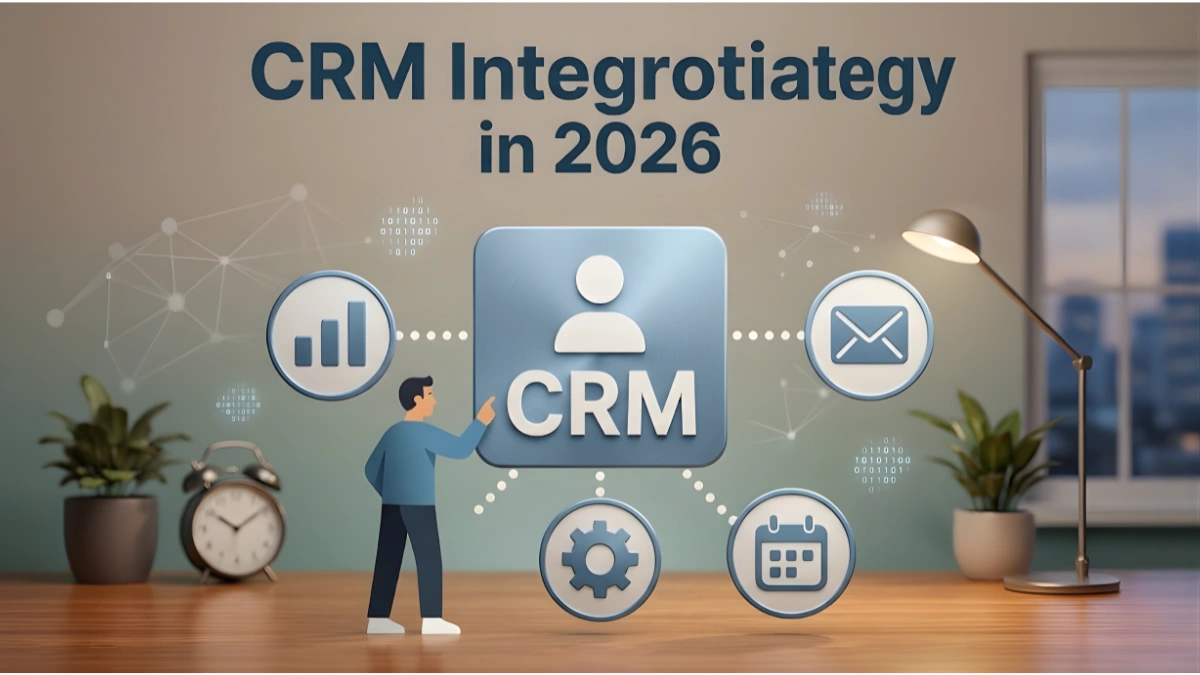
For modern businesses, CRM software becomes far more valuable when it is connected with the tools already used every day. A standalone CRM can store customer records, but true business efficiency comes when that CRM exchanges data with advertising platforms, email systems, accounting software, e-commerce tools, and communication platforms. Companies that integrate CRM properly often improve response speed, reduce manual work, and gain stronger visibility across sales and marketing operations.
In high-value software markets, CRM integration topics continue attracting strong advertiser interest because businesses actively search for solutions that improve lead flow, reporting accuracy, and customer lifecycle automation. When customer data moves automatically between systems, teams make faster decisions and reduce the risk of duplicate records or missed opportunities
Why CRM Integration Matters for Growing Businesses
As businesses scale, using separate software without connection often creates fragmented data and unnecessary delays. CRM integration solves this by creating a central environment where sales, support, marketing, and finance tools work together.
Main benefits include:
- Unified customer records
- Workflow automation
- Faster lead response
- Better reporting visibility
- Stronger collaboration across teams
This is why integrated CRM systems are now preferred across growing organizations.
Business Tools Commonly Connected with CRM Platforms
Most companies begin by linking CRM with the software used most often in daily operations.
Common integrations include:
- Advertising platforms for lead tracking
- Email marketing systems for campaign automation
- E-commerce platforms for customer purchase data
- Accounting software for billing visibility
- Team communication tools for real-time alerts
This creates smoother daily operations without manual duplication.
Top CRM Platforms with Strong Integration Capabilities
| CRM Platform | Integration Strength | Common Connected Tools | Best For |
|---|---|---|---|
| HubSpot CRM | Native integrations | Google Ads, Shopify, Slack | Small to mid-size businesses |
| Zoho CRM | Broad ecosystem | Zoho apps, Mailchimp, accounting tools | Multi-tool businesses |
| Salesforce | Enterprise ecosystem | AppExchange, Slack, finance systems | Large enterprises |
| Pipedrive | Sales-focused integrations | Shopify, Slack, email tools | Sales-driven teams |
Choosing the Right Integration Approach
Businesses usually succeed faster when they begin with clear priorities instead of connecting too many systems at once.
The most effective starting point is identifying which daily tasks create the most manual repetition. In many businesses, this starts with lead capture, email follow-up, and reporting visibility.
A CRM should first support the most critical revenue workflow before additional integrations are added.
Native Integrations vs Automation Platforms
Many modern CRMs already include built-in integrations, which makes setup faster and reduces technical complexity. Native connections usually offer better reliability because the software providers maintain those links directly.
When a native connection is unavailable, automation platforms can bridge systems and move data automatically between tools.
This gives businesses flexibility without requiring custom development.
How CRM Integration Improves Marketing Performance
Marketing teams often benefit first because integrated CRM systems immediately improve lead visibility.
Connected systems allow businesses to:
- Capture leads faster
- Trigger follow-up automatically
- Segment audiences better
- Track conversion sources clearly
This directly improves campaign efficiency.
Why Sales Teams Benefit from Connected CRM Data
Sales teams perform better when lead information arrives automatically with full context.
Integrated CRM data often includes:
- Contact source
- Communication history
- Recent activity
- Purchase signals
This improves follow-up quality.
Challenges Businesses Should Watch Carefully
Even strong integrations can create problems if data is inconsistent.
Common risks include:
- Duplicate records
- Field mismatch
- Delayed syncing
- User confusion
These are usually solved through testing before full rollout.
Future CRM Integration Trends
Software integration is becoming smarter through AI and low-code automation.
Growing trends include:
- AI-assisted syncing
- Real-time workflow triggers
- Stronger privacy controls
These changes will continue shaping CRM strategy.
FAQs
1. Which CRM is easiest to integrate with business tools?
HubSpot is often considered easiest for quick setup.
2. Is custom integration always required?
No, many CRMs already provide built-in connections.
3. Can CRM connect with accounting software?
Yes, most major CRM systems support this.
4. Does CRM integration improve lead conversion?
Yes, because response speed improves.
5. Are integration tools expensive?
Cost depends on complexity and platform choice.
Conclusion: CRM integration is now essential because businesses need customer data to move smoothly across marketing, sales, finance, and support systems. Companies that integrate carefully usually improve automation, reporting, and long-term software value while reducing manual workload.
Disclaimer: This article is for informational purposes only. CRM integrations, software compatibility, and pricing may change depending on provider updates and business requirements. Users should verify official platform capabilities before implementation.